Income tax
Income tax explained: allowances, bands and marginal rates
How the personal allowance, the bands and the £100,000 taper interact on earned income.
Last reviewed 22 August 2026
Allowance first, then bands
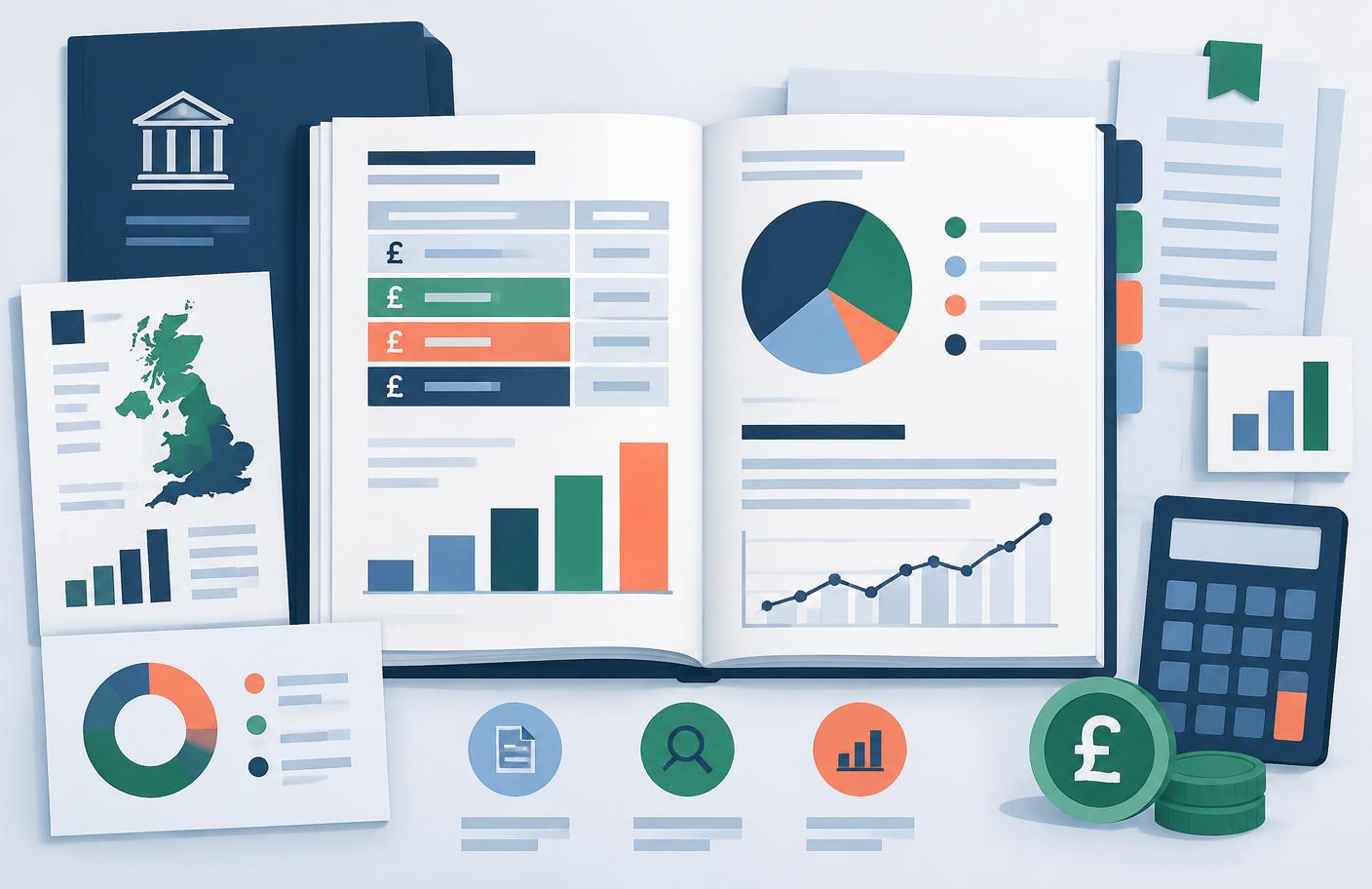
Income tax is charged in slices. The personal allowance is taxed at 0%, and only the income above it enters the first taxable band. Each band has its own rate, and you only pay that rate on the part of your income that falls inside it.
This is why a pay rise never taxes your whole salary at a higher rate. Moving into a higher band changes the rate on the extra pounds, not on everything you already earned.
The £100,000 taper
Once income passes £100,000, the personal allowance reduces by £1 for every £2 above the threshold, and disappears entirely a little over £125,000. Losing allowance while also paying a higher band rate creates a stretch of income with an unusually high marginal rate.
Our salary calculator shows the marginal rate on your next pound so this effect is visible rather than hidden.
Scotland sets its own bands
Scottish taxpayers have additional bands and different rates on earned income, set by the Scottish Parliament. Savings and dividend income continues to follow the UK-wide rates.
Selecting Scotland in any calculator switches the whole band table, not just a single rate.
Calculators for this topic
This guide explains how the rules generally work. It is not tax advice, and your own position depends on your full circumstances — you may wish to seek professional advice.